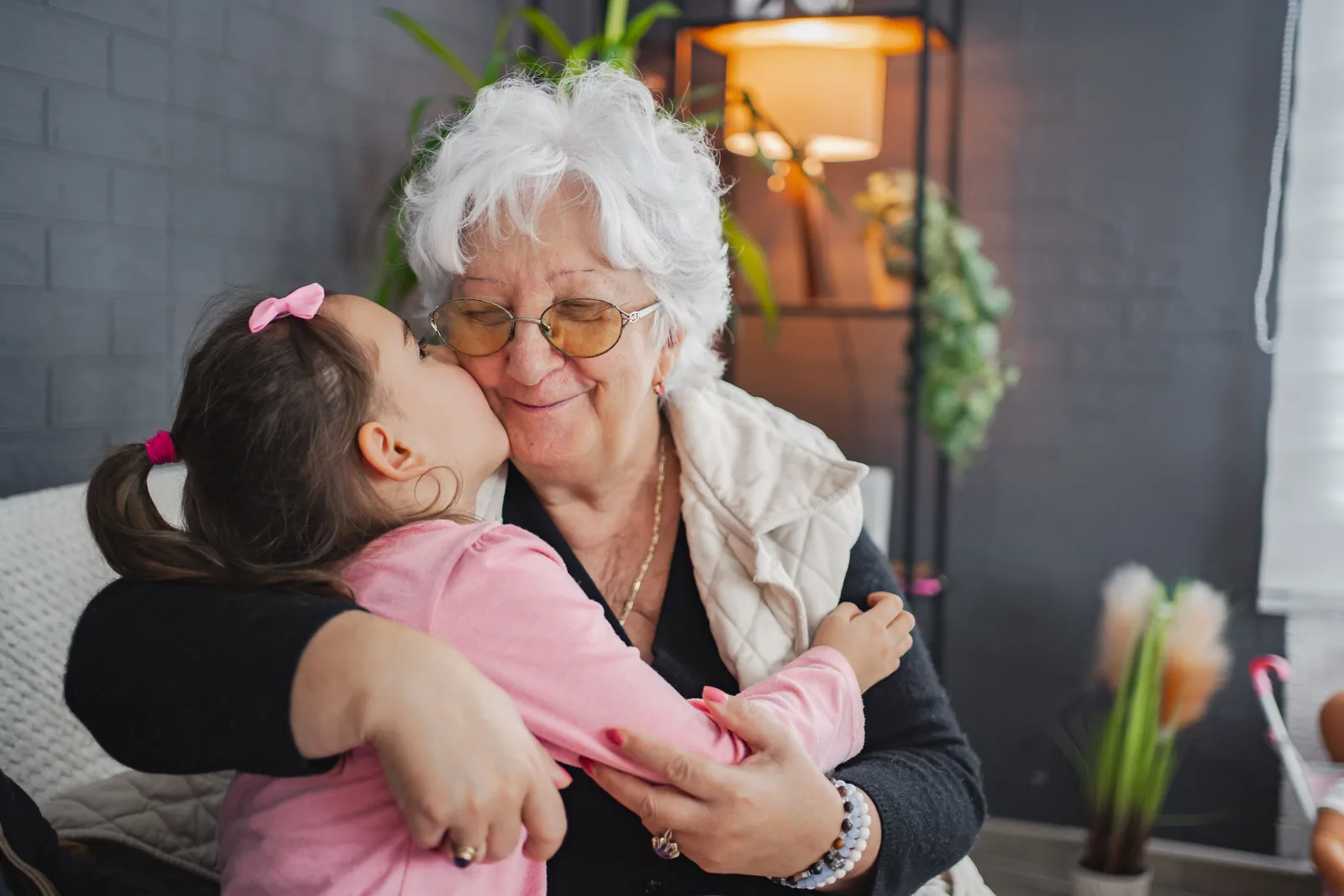
What is it like for carers to live with a garden home?
What people name as the biggest gain is not the care but the peace of mind: no more travelling, and no more lying awake at night wondering whether everything is all right over there. The other side is that being close by also means being available. The families where it works well for years are not the families with the nicest people, but those with the clearest agreements.

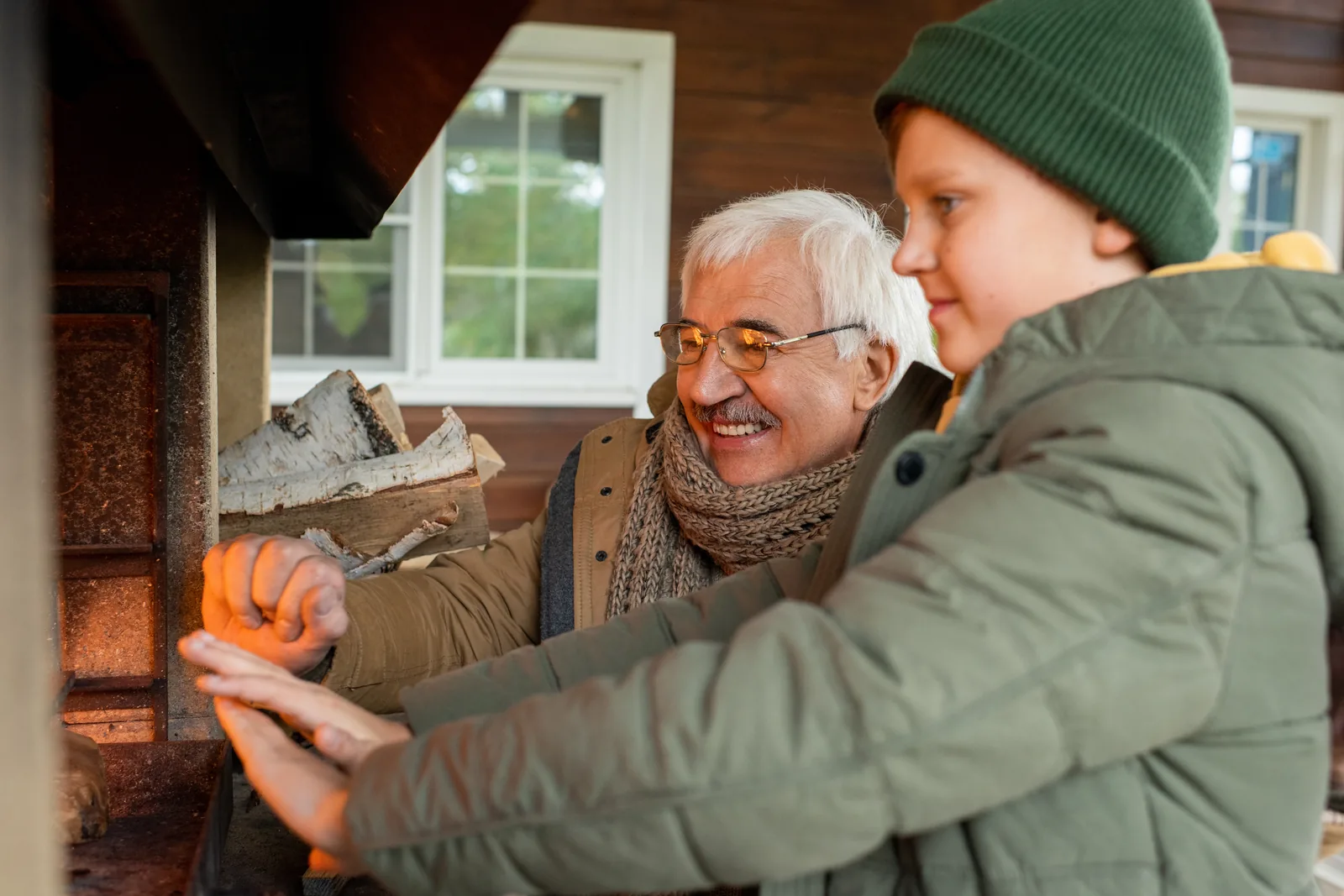
What people name afterwards as the biggest gain is rarely the care itself. It is the peace of mind. No more driving back and forth twice a day, no more evenings lying awake wondering whether everything is all right over there, and no phone that might ring with news while you are half an hour away.
That is the side you read about in brochures, and it is true. There is a second side that is mentioned less often, and it is just as real: being close by turns into being available. If you live thirty seconds away, you are always there.
One thing first: every situation is different, and what follows is not research but what structurally comes into play with this way of living. Some families recognise all of it and others none of it.
What changes straight away
- The travelling time disappears. For anyone who drove there every day, that is the difference between an hour a day and nothing.
- Small things become small. Changing a light bulb, opening a jar, looking over a letter together: that now takes two minutes instead of a drive.
- The uncertainty decreases. You see the light go on. That sounds trivial, and for many people it is the point at which they start sleeping again.
- There are visitors again. Someone who moved out of an empty house suddenly finds themselves in the middle of a family, and the grandchildren drop by.
Where friction arises
Almost always over the same thing: the question of when you are not available.
With a parent who lives twenty kilometres away, there is a natural boundary. With a parent in the garden that boundary is gone, and then you have to create it yourself. That feels unkind, because nothing is wrong: someone is just ringing the bell for a moment.
What happens in practice is that "just for a moment" adds up. Ten minutes three times a day is an hour, and nothing difficult has happened yet. People only notice when they realise they have not had an evening in months when they could not be disturbed.
The reverse side exists too and is mentioned less. Residents say they feel watched, or that they no longer dare to say things are not going well because they already ask so much. For most people, giving up independence is harder than the care itself.
What families do where it works well
These are not the families with the nicest people. They are the families that have said out loud things that feel awkward to say.
A fixed time instead of the whole day. Dropping in every morning at nine works better than being available all day, for both sides. The resident knows when someone is coming and does not have to phone; you know when you are free.
Ringing the bell instead of walking in. It is a home in its own right. That sounds obvious, and it often goes wrong with the children, the daughter-in-law and the grandchildren, who treat the door as open.
Agreeing what is not part of it. Shopping yes, the paperwork too, but not keeping someone company every evening. That last one is the task that grows the most and is talked about the least.
Bringing in the rest of the family. Everything naturally ends up with the person who has the home in their garden, and the brother in another province thinks it is all taken care of. Say what you need, because nobody will ask.
What it does to the rest of the household
Attention naturally goes to the carer and the resident, and there is usually someone else living there too. A partner for whom it is not their own parent, and children who share the garden with a second household.
With partners it is almost never about the care and almost always about time. Someone who sees the other going out for a while every evening misses those evenings, and that conversation only happens once something has been said about it. Have it at the start and not after a year.
With children the picture is mostly positive. Grandad or grandma in the garden means daily contact instead of a visit on Sundays, and that is valuable for both sides. Where it pinches is with teenagers who feel watched in the garden, and that is a matter of the position and the sight lines, not of the people.
So involve the whole household in the decision, even if it seems like a choice between you and your parent. It is a way of living for two households and everyone takes part.
Room to be away
If you provide care for a long time, there is respite care (respijtzorg): someone temporarily takes over the care so that you can get away for a while. That can be through volunteers, day activities (dagbesteding) or a short stay somewhere else.
Apply for it at the Wmo desk (Wmo-loket) of your municipality, the point of contact for the Wmo (Social Support Act), and do so before you need it rather than afterwards. On average, carers apply for this kind of help far too late, usually because it feels like letting someone down, and the application takes time that you no longer have by then.
The same applies to the carer support that most municipalities offer: a support centre, a carer consultant and sometimes an annual token of appreciation for carers (mantelzorgwaardering). That is not a luxury, and it is there for you.
It lasts longer than you think
People usually set up this situation with six months in mind, and it often lasts years. That is good news in itself, because it means it works, but it does require you to set it up in a way you can keep up for years.
In practical terms that means: build the agreements from the start and not when irritation has already set in. Go on holiday. Keep one evening a week when you are not there. If you do everything in the first months because it is new and feels nice, you set a standard that cannot be lowered later.
When it no longer works
For some families there comes a moment when this way of living no longer fits. That is not a failure and it is not unusual either. With restlessness at night, with care that is needed every few hours, or with dementia that goes beyond forgetfulness, a front door of its own in the garden does the wrong thing: it creates distance at the moment supervision is needed.
What it has given you by then is time. Often years in which someone lived at home instead of in an institution, and that is exactly what it was all about. When that limit comes into view is described on the page about dementia, and what then happens to the home in what happens when the care situation ends.
What you can do before the home is in place
Two things, and neither costs anything.
Talk to the future resident about how he or she sees it, and not only about the practical side. What does that person want to keep doing themselves? When do they want to be disturbed and when not? That conversation is easier beforehand than when everyone is already in the middle of it.
And look at the position on the plot with this in mind. Two front doors facing each other make it harder to be away for a moment than two homes that stand apart from each other. How to weigh that up is explained in how close the home should be to the house.
If you want to know what is possible at your address, start with the permit check.
Sources
- [Act] Wet maatschappelijke ondersteuning 2015, carer support and respite care as a task of the municipality, consulted 21 August 2026
- [Guidance] MantelzorgNL, national association for carers: support, respite care and overload, consulted 21 August 2026
- [Research] Sociaal en Cultureel Planbureau, periodic research into informal care in the Netherlands and the burden on carers, consulted 21 August 2026